This should be
a new dystopia of Gen Z
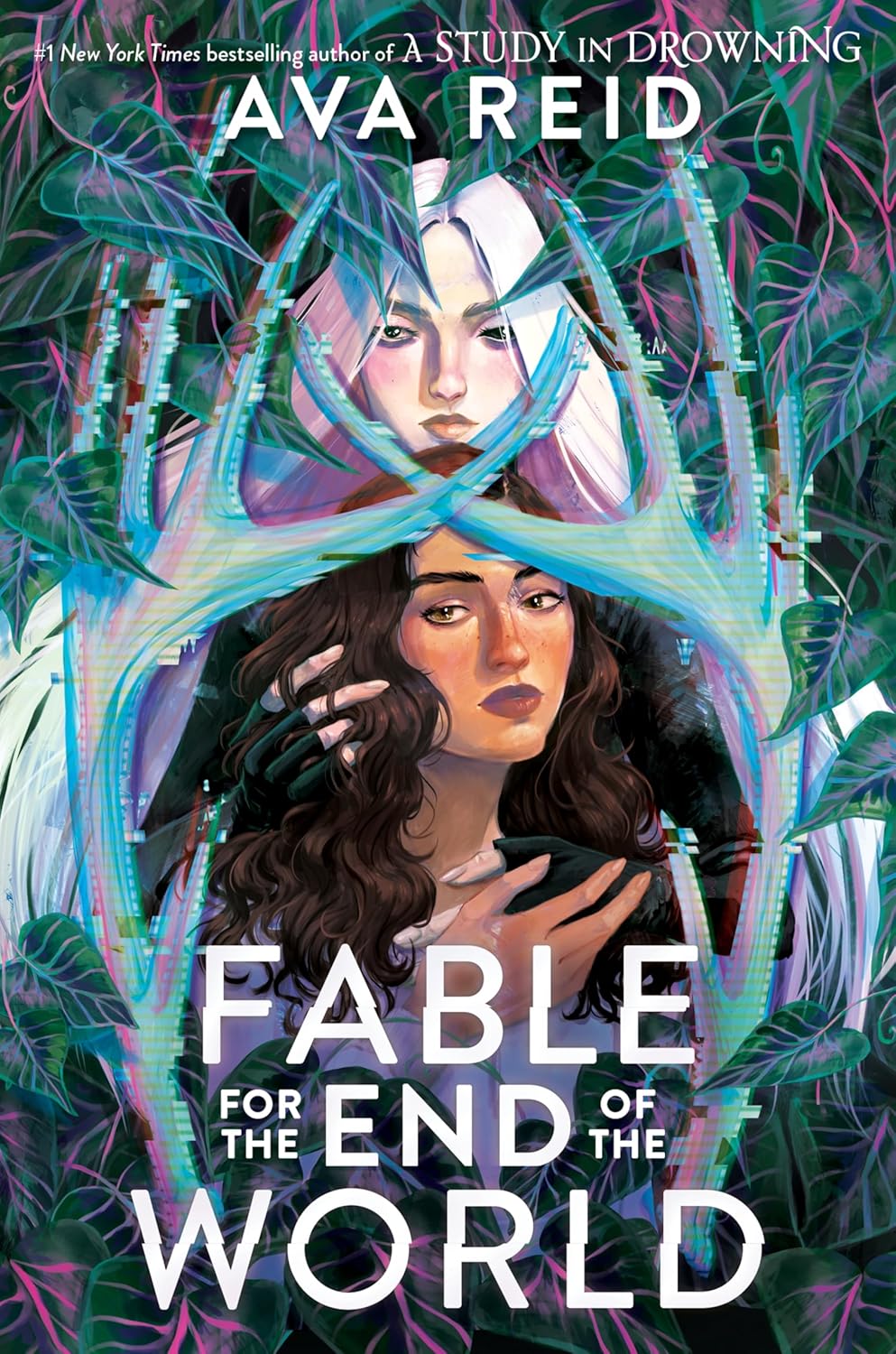
Fable for the End of the World by Ava Reid
‘The Hunger Games’ series is considered the prominent dystopia of Gen Z that I represent, actually. But while my whole generation somehow admires Suzanne Collins’ works, I simply can’t relate to the hype. But maybe ‘The Hunger Games’ doesn’t cover the subject of the actual issues straightforwardly enough?
Earth suffers from global warming, rising sea levels and nuclear wastes injuring environment. Climate changes and toxicity of natural habitats triggers dying out of biodiversity and development of uneatable mutants. It all leads to deepening of poverty and social divide. Most of population lives in truly unhumanitarian conditions and their plight is a source of financial profit of the rich.
What is 'Fable for the End of the World' about?
Caerus is a corporation that controls the whole reality of a post-apocalyptic version of New Amsterdam. Including the finances.
Lamb’s Gauntlets are livestreamed worldwide shows organised by Caerus. They take place every time a borrowing of a citizen indebted to Caerus borrowing is too high. Caerus, controlling every element of the society, may divest a member of indebted family. The corporation makes them take part in these spectacles in exchange for providing financial means. The taken one, the Lamb, is a prey of an Angel, Caerus’ contract killers.
‘Fable for the End of the World’ tells a story of Inesa, a teenage taxidermist who lives in a half-sunken city controlled by Caerus. Her egoistic mother is unable to abandon specific level of life provided by Inesa and her brother which leads the family to being increasingly indebted to Caerus. The second main character is Melinoë, an assassin retained by Caerus. She is an Angel determined to kill Inesa but somehow the girls find a common goal of surviving in a deadly forest they both are stuck in.
The warning from
Ava Reid to Earthmen
• About consumerism critique •
If you think about it, Ava Reid tells a story of our times, modified just a little. And this message speaks to me more than the Suzanne Collins one.
Ava Reid is even more critical of our consumerism than Suzanne Collins is. In ‘The Hunger Games’ only the Capitol is depicted as addicted of material goods, but ‘Fable of the End of the World’ shows the whole society in this way. Reid claims that not only the richest overconsume – according to her the most addicted social stratum are also the disadvantaged.
This way, Ava Reid construct a world in which the mastermind of the Lamb’s Gauntlets is not the Capitol (the rich) but the Lambs themselves. The disadvantage in ‘Fable for the End of the World’ are so addicted of new material goods or drugs that they indebt purposely, only to gain more and more money for infinitive shopping. The risk of dying in the games or indebting the whole family is for the citizens not as unsettling as being wanting of money! Messed up, but for some, totally realistic. Reid therefore warns us from the hazard coming from overconsumption in very brutal way...
• About social media critique •
Another thing Suzanne Collins didn’t include in ‘The Hunger Games’ is a risk coming from the social media and technology development. In this case it’s quite logical and explainable since Collins wrote ‘The Hunger Games’ before the social media boom. Ava Reid, on the other hand, is aware of rising social problem coming from the Internet and she shares her concerns in the book.
Firstly, she sharply criticises modern world’s addiction to electronical devices. In ‘Fable for the End of the World’ tablets are the main source of characters’ knowledge. When Inesa and her brother run away from Melinoë and they get lost in a backwoods without tablets, they are completely vulnerable and misguided.
Also, Ava Reid points out the downsides coming from exposing privacy on the Internet, criticising our impulses to sharing everything on social media. This social problem is represented in the book by the plot twist of the whole game being transmitted all along, even when the characters are unaware of it. The supposed lack of the monitoring leads to the main characters unconsciously making their shared intimate scene public. I'm not even going to explain you the message of deadly game being transmitted since I find it quite obvious.
• About the plot itself •
Comparing to ‘The Hunger Games’, I prefer the character building in ‘Fable for the End of the World’ much more. The characters seem more natural in a relieving way and even the main characters don’t irritate me at all like Katniss does. I also like the romance between Inesa and Melinoë, it’s cute. And the ending of the story was crazy! I was expecting the classical sweet love story happy ever after. I got the dark ending instead! The main couple doesn’t end up together, separated by Caerus. That totally disoriented me. That's another element of ‘Fable for the End of the World’ criticising overconsumption, advanced stage of capitalism and too impactful role of corporations in our world.
However, I can’t prise Ava Reid for using the motif of Angels – we already had similar thing in ‘The Hunger Games’, it’s nothing new. A bunch of elements in ‘Fable for the End of the World’ seem too repetitive for me comparing to previous literary works. Surprisingly enough, that doesn’t make this book any less interesting and pleasing to read.
———• ☾ •———
Are you a fan of YA dystopia?
Read my review of 'The Ballad of Songbirds and Snakes', the book that inspired 'Fable for the End of the World', best dystopia of Gen Z!
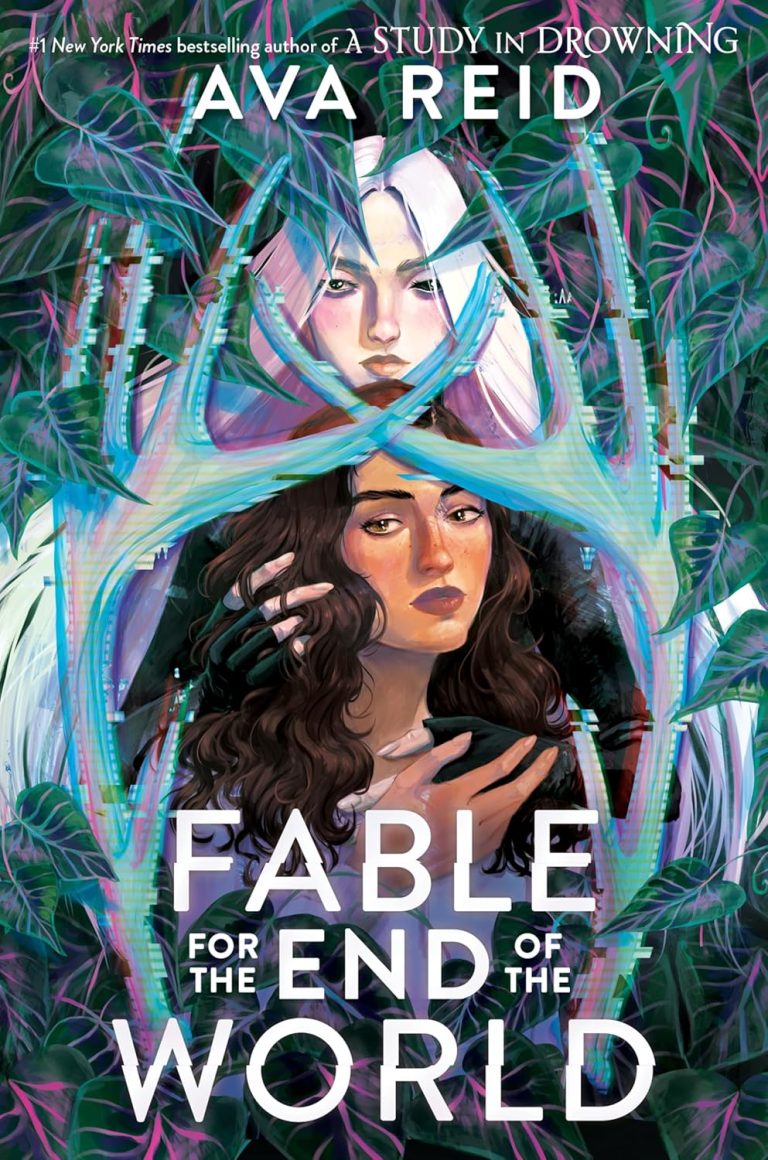
Cover image © HarperCollins Publishers. Used with permission.
[…] Looking for the next Hunger Games? • Constant life-threatening peril and adventure • […]